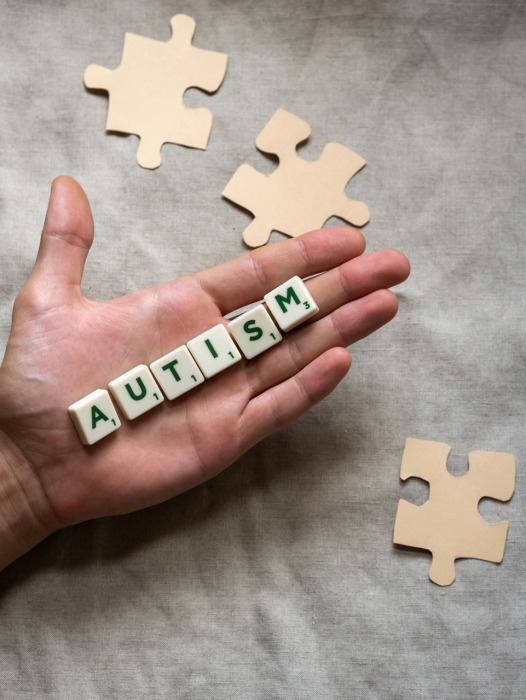
What does “moderate- and low-functioning autism” really mean
The main difference from high-functioning autism is not the level of intelligence, which is a common misconception.
Functional level reflects not cognitive abilities, but: degree of independence, communication characteristics, behavioral flexibility, tolerance to change, and the need for external structure.
How moderate- and low-functioning autism manifests
1. Communication: limited or absent speech, echolalia or use of speech outside a social context, difficulty understanding abstract instructions, preference for visual forms of communication
2. Behavior and self-regulation: high anxiety in response to change, a strong need for routine, sensory overload from noise, light, and large numbers of people; stereotypical movements as a form of self-regulation
3. Independence: difficulties with planning, difficulty switching between tasks, need for external daily structure, reliance on clear and repeatable algorithms
4. Social interaction: little or no interest in social roles, difficulty understanding unwritten social rules, challenges with teamwork in the conventional labor-market format
High-functioning autism: speech is more often preserved, higher capacity for adaptation, greater ability to mask, potential integration into the standard labor market
Moderate- and low-functioning autism: masking is almost impossible, adaptation to chaotic environments is destructive, the standard labor market in its current form is largely inaccessible, while work potential remains
The difference is not in the ability to work, but in the conditions under which work becomes possible.
Moderate- and low-functioning autism is incompatible with an overloaded social model of labor built on constant communication, uncertainty, and sensory pressure.
With a properly organized environment — with clear roles, visual instructions, repetitive tasks, minimal social interaction, and reduced sensory load — such individuals are able to perform real, high-quality, and meaningful work.
Most social initiatives focus on high-functioning autistic people because they are easier to integrate into the existing system.
People with moderate and high support needs continue to remain outside this system and in a vulnerable position. Our project is directed precisely at this group: creating jobs, employment, social connections, and opportunities for adult realization as a logical and necessary stage of life.




 Channel